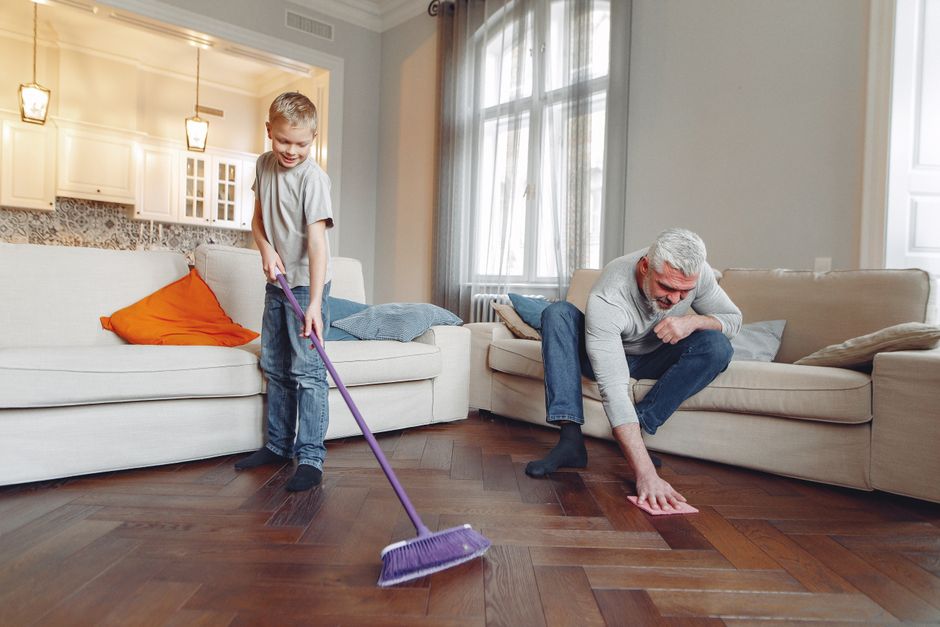
Palmers Green sofa cleaning tips for busy families
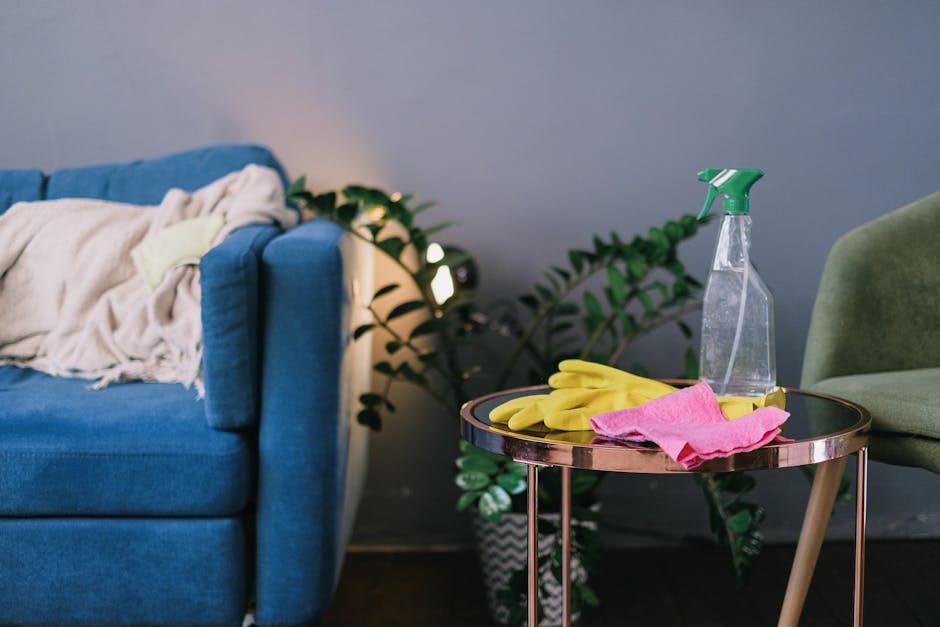
If your sofa in Palmers Green is doing double duty as a snack bar, homework desk, nap zone and occasional obstacle course, you are not alone. Busy family life is brilliant, but it is not exactly kind to upholstery. Spills happen. Crumbs get ground in. Mud appears from nowhere. And somehow the sofa always seems to catch the worst of it.
This guide on Palmers Green sofa cleaning tips for busy families is built for real life: quick wins for weekday mess, smarter habits that reduce deep-clean stress, and practical ways to keep fabrics looking fresher for longer without turning your weekend upside down. You will find simple routines, useful product and method advice, common mistakes to avoid, and a sensible framework for knowing when a light refresh is enough and when a deeper clean makes more sense.
To be fair, the goal is not a showroom-perfect sofa every single day. It is a sofa that stays clean enough, comfortable enough, and easy enough to manage when your household is already full on.
Why Palmers Green sofa cleaning tips for busy families Matters
A family sofa is one of the hardest-working pieces of furniture in the house. It sees constant use, often from early morning right through to bedtime. In many homes, it is where life happens. That means it collects dust, skin flakes, food residue, pet hair, drink splashes and everyday odours faster than people expect.
For families in Palmers Green, this matters for a few very practical reasons. First, the local pace of life can be hectic. School runs, commuting, sports clubs, weekend visitors and the usual London schedule leave little room for long cleaning sessions. Second, once marks settle into fabric, they are harder to shift. A fresh spill is usually manageable; a stain left for three weeks is another story entirely. Third, a cleaner sofa feels better to sit on. You notice it straight away. The fabric smells fresher, the colour looks brighter, and the whole room feels more cared for.
There is also a simple money angle. Regular light maintenance can help reduce the need for emergency stain removal or premature replacement. That does not mean you should scrub away at everything yourself. It means using a sensible routine so small issues do not become expensive ones. Think of it like housekeeping rather than crisis management.
Expert summary: The best sofa cleaning routine for a busy family is not the most intense one. It is the one you can actually keep doing. Small, regular steps beat a giant clean you never have time for.
How Palmers Green sofa cleaning tips for busy families Works
Good sofa care is really a mix of prevention, quick response and the right cleaning method for the fabric. That is the whole game, truth be told. If you understand those three pieces, the process becomes much less stressful.
Prevention means reducing how much dirt reaches the sofa in the first place. That includes routines like no-shoes-on-sofas rules, throws in high-traffic spots, and a small basket nearby for blankets and toys. It sounds minor, but those little habits do a lot of heavy lifting.
Quick response means dealing with spills before they spread or sink deeper. Blot, don't rub. Lift the liquid rather than pushing it around. If you have ever watched a juice stain get wider because someone attacked it with a cloth in a panic, you will know why this matters.
The right method depends on the sofa fabric. A cotton blend, a performance fabric, a microfibre sofa and a leather suite all need different approaches. What works beautifully on one can damage another. That is why checking the manufacturer's cleaning code matters. If the code is unclear, err on the side of caution and test any product on a hidden patch first.
For many households, the most realistic approach is a layered one:
- weekly vacuuming with an upholstery attachment
- spot-cleaning minor marks as they happen
- monthly fabric refresh or deodorising where suitable
- occasional professional sofa cleaning or broader upholstery cleaning when buildup becomes visible
This is less about perfection and more about keeping the sofa in a healthy, usable state. A sensible system saves time later. That's the bit people usually learn the hard way.
Key Benefits and Practical Advantages
There are plenty of reasons family-focused sofa care is worth the effort, even if you only manage a few minutes at a time.
- Less visible mess: Regular vacuuming and spot treatment stop crumbs, dust and marks from building up.
- Fresher smell: Sofas absorb everyday odours from food, pets, damp coats and shoes left nearby.
- Longer fabric life: Dirt acts a bit like sandpaper over time, wearing fibres down.
- Better hygiene: Particularly useful where children sit, nap, or eat on the sofa more than they should. Let's face it, they do.
- Lower stress: A few small tasks are easier to handle than a full-scale rescue job after a big spill.
- More welcoming home: If guests arrive unexpectedly, the living room feels more under control.
There is also a practical mood benefit. A tidy sofa makes the whole room feel calmer. When the soft furnishings are under control, the rest of the house tends to follow. Not always, of course, but often enough to matter.
Families who keep on top of sofa care usually find they can stretch the time between deep cleans. That does not mean skipping them completely. It just means the deep clean becomes maintenance, not damage control.
Who This Is For and When It Makes Sense
This advice is especially useful if your household includes young children, messy eaters, pets, or a lot of people coming and going. If your sofa is used every day, then it needs more than the occasional once-over.
It also makes sense if you are:
- trying to keep a light-coloured sofa looking decent
- dealing with repeated drink spills, snack crumbs or pet hair
- preparing for visitors, family events or a small gathering
- selling or renting a property and want the living space to look cared for
- finding that the sofa smells stale even when it looks clean
- working with limited time and need fast, effective habits
Sometimes the sofa is fine visually, but the fabric feels a bit tired. Sometimes the opposite is true: it looks clean enough, but a close sniff tells a different story. Either way, that is usually the sign that your routine needs a bit more structure.
If your sofa has stubborn stains, delicate fabric, or a strong odour that keeps returning, it may be time to step up from home maintenance to a proper deep clean. That is especially true in busy family homes where the sofa never really gets a long rest.
Step-by-Step Guidance
Here is a practical routine that works well for time-poor households. You do not need to do every step every week. Pick the parts that fit your week.
1. Start with a quick reset
Remove cushions, throws and anything else sitting on the sofa. Shake out blankets. Pick up toys, pens, coins and the strange collection of small items that always seems to breed between cushions. You know the feeling.
2. Vacuum properly
Use an upholstery attachment and move slowly. Focus on the seams, under cushions, along armrests and in the corners where crumbs hide. A quick pass is better than nothing, but a slower pass lifts more dirt. If you only have ten minutes, spend most of it here.
3. Check the fabric care label
Before using any liquid cleaner, check the cleaning code. Water-safe fabrics can usually handle light spot treatment, but some materials are far less forgiving. If the label is missing, test a hidden area first. It is a small step, but an important one.
4. Treat fresh spills immediately
Blot with a clean, white cloth or paper towel. Work from the outside of the mark toward the centre to avoid spreading it. Use a tiny amount of suitable cleaner if needed, but do not soak the fabric. Over-wetting can leave rings, damp smells or texture changes.
5. Deal with odours gently
If the sofa smells a little stale, begin with airing the room, vacuuming thoroughly and using a fabric-appropriate refresh method. Avoid heavy perfumes that mask the smell without removing the cause. A sofa that smells "cleaner" but still contains trapped grime is not really clean. Just scented.
6. Let it dry fully
Drying matters as much as cleaning. Open windows if the weather allows, or use airflow in the room. Families often use the sofa too soon, which can bring dirt back into the damp fabric. Try to give it breathing space for a while, even if the room feels a bit awkward.
7. Build a repeatable routine
The best households set a routine that fits the week. For example:
- Monday: quick vacuum
- Wednesday: spot check for marks
- Friday: remove toys, crumbs and throws
- Monthly: fuller fabric refresh
If that sounds too neat, simplify it. One good habit is enough to start.
Expert Tips for Better Results
A few small adjustments can make a surprising difference, especially in a busy home where time is tight.
- Use white cloths for spot cleaning. Coloured cloths can transfer dye, and that becomes another problem you do not want.
- Work gently. Aggressive scrubbing often pushes dirt deeper into fibres and can rough up the surface.
- Keep a small cleaning caddy nearby. If the cloths and safe products are easy to reach, you are more likely to use them when a spill happens.
- Rotate cushions where possible. This helps even out wear and flattening.
- Use throws strategically. Place them where children and pets naturally gather, not just where they look pretty.
- Clean before stains set. It sounds obvious, but the difference between a fresh splash and a set mark can be huge.
- Do a scent check once in a while. If the sofa smells "off" after vacuuming, the fabric may need deeper attention.
A small human tip from real family homes: set the cleaning tools where you can see them. Out of sight often means out of mind. Very unfair, but true.
Also, do not try to fix everything in one go after a chaotic day. Sometimes it is enough to handle the visible spill and leave the deeper refresh for tomorrow morning. A decent job done today beats a perfect job that never happens.
Common Mistakes to Avoid
Most sofa damage during home cleaning comes from well-meaning mistakes rather than neglect. Here are the ones that show up again and again.
- Rubbing stains hard: This can spread the mark and damage the weave.
- Using too much water: Moisture can sink into the padding and leave lingering odours.
- Skipping the test patch: Even "gentle" products can change colour or texture on some fabrics.
- Mixing random products: This rarely ends well and can leave a sticky residue.
- Ignoring the label: Fabric codes exist for a reason.
- Leaving crumbs for weeks: Dust and food build-up attract more dirt and make cleaning harder.
- Forgetting the cushions and creases: The visible centre of the sofa is only part of the job.
One less obvious mistake is overdoing scented sprays. They can make the room smell pleasant for an hour or two, but they do not solve embedded dirt. If anything, they can give you false confidence. Slightly sneaky, really.
Another common one: cleaning only after a stain looks bad from the doorway. By then, it has often already settled in.
Tools, Resources and Recommendations
You do not need a complicated kit. In fact, for family sofa maintenance, simple usually works best.
| Tool or item | Best use | Why it helps |
|---|---|---|
| Upholstery vacuum attachment | Weekly surface cleaning | Lifts crumbs, dust and hair from seams and cushions |
| White microfibre cloths | Spot cleaning | Gentle on fabric and easy to inspect for transferred dirt |
| Soft brush | Loosening dry debris | Useful for textured fabrics and seams |
| Bucket of clean water | Rinsing cloths or light fabric-safe methods | Helps avoid overusing cleaner |
| Fabric-safe upholstery cleaner | Minor marks on suitable fabrics | Designed for sofas, unlike multipurpose products that can be too harsh |
| Throw blankets or washable covers | High-traffic family zones | Protects the sofa in busy areas without much effort |
If you want a deeper, more thorough service, it is worth looking into professional carpet cleaning as part of a broader home refresh, especially if the living room and hallway both need attention. A combined approach can be more efficient than tackling each item separately.
For homes that need more than routine care, a reliable cleaning company can help you decide whether a one-off intervention or a regular schedule makes more sense. If the rest of the house is demanding too, services such as domestic cleaning or one-off cleaning can take some of the pressure off. And if the spill is only one part of a bigger refresh, you might also consider deep cleaning for a more complete reset.
Law, Compliance, Standards, or Best Practice
For sofa cleaning in a family home, the main compliance issues are not usually legal in the dramatic sense. They are more about sensible safety, product use and care. In the UK, the best practice is straightforward: follow the manufacturer's guidance, use cleaning products as directed, and keep chemicals stored safely away from children.
If you bring in a professional cleaner, it is reasonable to expect clear communication about what will and will not be cleaned, what methods may be used, and any limitations caused by fabric type or pre-existing damage. Insurance and safety also matter. If a service provider handles your furnishings, you want them to work carefully and responsibly in a home that may include children, pets and fragile items.
For family homes, the safety angle is practical rather than formal. Don't leave wet fabrics where children can climb on them. Don't mix cleaners. Don't use products that can irritate breathing or skin unless you fully understand them. And if a fabric looks delicate or is labelled as specialist-only, respect that. It is not being difficult; it is protecting the furniture.
Good domestic cleaning practice also means being realistic about what home treatment can achieve. Some stains, such as old dye transfer, heavy grease or repeated pet accidents, may need professional intervention. There is no shame in that. Sometimes the best decision is simply knowing when to stop.
If you are interested in how a professional provider approaches safety, service expectations and customer care, pages such as about us, insurance and safety and terms and conditions can help set expectations before you book anything.
Options, Methods, and Comparison Table
Not every sofa needs the same level of care. The right method depends on the fabric, the mess, and how much time you have. Here is a simple comparison.
| Method | Best for | Pros | Limits |
|---|---|---|---|
| Vacuuming only | Weekly upkeep | Fast, low-risk, keeps debris under control | Won't remove stains or odours deep in the fibres |
| Spot cleaning | Fresh spills and small marks | Quick and cost-effective | Needs care, test patches and the right product |
| Fabric refresh at home | Light odours or general freshness | Useful between bigger cleans | Not enough for heavy staining |
| Professional sofa cleaning | Embedded dirt, odours, regular family wear | More thorough and often more consistent | Takes planning and may need drying time |
There is no single "best" option for every household. A family with toddlers might rely on constant small spot treatments, while a home with older children and pets may do fine with weekly vacuuming plus a scheduled professional clean. Different households, different chaos. That is normal.
Case Study or Real-World Example
Imagine a Palmers Green family with two children, one dog and a corner sofa that has become the centre of everything. Breakfast spills happen before 8 a.m. School bags get dropped on it. The dog naps there after the afternoon walk, and by Friday the cushions look a bit flat and tired.
The family does not have hours to spare, so they keep it simple. Every Sunday evening, one parent vacuums the sofa while the kids put away toys. On weekdays, any fresh mark gets blotted immediately with a clean cloth. A washable throw sits on the most heavily used seat. Once a month, they do a more careful refresh: cushions off, seams vacuumed, fabric checked, and any stubborn marks treated gently rather than aggressively.
After a while, the results are noticeable. The sofa does not look brand-new, because real family furniture never does. But it stays presentable. It smells cleaner. The children are less likely to track crumbs into the rest of the room. And when visitors come round for tea, nobody is quietly panicking about the state of the sitting room five minutes before the doorbell rings.
That is the real win. Not perfection. Manageability.
Practical Checklist
Use this simple checklist to stay ahead of sofa mess without adding another big chore to your list.
- Vacuum the sofa once a week, or more often if it sees heavy use
- Remove cushions and clean the seams, corners and under the seats
- Blot fresh spills straight away rather than rubbing them
- Check fabric labels before using water or any cleaner
- Test products on a hidden area first
- Keep throws or washable covers on the busiest seats
- Let the sofa dry fully after spot cleaning
- Watch for recurring odours, not just visible stains
- Rotate cushions where possible to reduce uneven wear
- Book a deeper clean when home care stops being enough
If you can do only three things, do these: vacuum, blot spills quickly, and respect the fabric label. That trio covers a lot more than people think.
Conclusion
Busy family life and a tidy sofa do not have to be enemies. With the right habits, a little consistency and a practical approach, you can keep your living room comfortable, cleaner and far less stressful to manage. The main thing is to make sofa care fit your real routine, not the other way round.
For many households in Palmers Green, the smartest approach is a mix of weekly upkeep, quick spot treatment and occasional deeper cleaning when needed. That keeps the sofa looking cared for without turning every stain into a full afternoon project. And honestly, that is probably the sweet spot.
If your family sofa has reached the point where home cleaning is not quite enough, a professional service can give it a proper reset and make the rest of your maintenance routine easier again.
Get a free quote today and see how much you can save.
Sometimes a small bit of care now makes the whole room feel lighter later. And that's worth doing.
Frequently Asked Questions
How often should busy families clean a sofa?
For most family homes, weekly vacuuming and quick spill treatment is a sensible baseline. A more thorough fabric refresh can be done monthly or as needed, depending on how heavily the sofa is used.
What is the fastest way to deal with a fresh spill on a sofa?
Blot it immediately with a clean cloth or paper towel. Don't rub. Work from the edges of the spill toward the centre so it doesn't spread.
Can I use supermarket cleaners on every sofa?
No. Some fabrics are far more sensitive than others. Always check the care label and test the product on a hidden area first.
What should I do if my sofa smells stale?
Start with a thorough vacuum, then air the room and check for trapped crumbs or damp areas. If the smell remains, the fabric may need deeper cleaning rather than just a surface refresh.
Is steam cleaning safe for all sofas?
Not automatically. Steam and moisture can damage certain materials or leave water marks. It depends on the fabric and the manufacturer's guidance.
How do I keep a light-coloured sofa clean with children around?
Use washable throws on the most-used seats, vacuum often, and deal with spills straight away. A light sofa is manageable, but it does need a bit more attention.
What is the biggest mistake people make when cleaning sofa stains?
Scrubbing too hard. It can spread the stain, distort the fabric and push dirt deeper into the upholstery.
When should I book professional sofa cleaning instead of doing it myself?
Book a professional clean if the sofa has deep odours, repeated staining, delicate fabric, or if home care is no longer giving good results. It is also a smart choice if the whole room needs a proper reset.
Can professional sofa cleaning help with pet hair and odours?
Yes, often it can. A thorough upholstery clean is usually better at removing embedded hair, odour buildup and grime than routine vacuuming alone.
How long does a sofa need to dry after cleaning?
That depends on the cleaning method, the fabric and room ventilation. It is best to allow full drying before heavy use again, especially in homes with children who like to jump straight back on the cushions.
Should I clean sofa cushions separately?
Yes, if they are removable. Cleaning cushions separately helps you reach seams, edges and hidden debris, which is where a lot of the dirt settles.
What if I'm too busy to do a full clean?
Focus on the high-impact basics: quick vacuuming, removing visible debris and blotting spills. Even ten minutes can make a real difference, and that is better than leaving it to build up.
If you want a cleaner, calmer living room without adding chaos to your week, these palm-sized habits can genuinely help. Small steps. Regular steps. That's the trick.