Enfield Town carpet cleaning guide for Victorian homes
Victorian homes in Enfield Town have a particular charm: tall skirting boards, original features, solid doors, narrow staircases, and carpets that often carry decades of everyday life. That charm also brings a few cleaning headaches. Old floorboards can shift, underlay may be uneven, fibres can be more delicate than they look, and hidden damp or dust can make a routine clean feel trickier than expected. This Enfield Town carpet cleaning guide for Victorian homes is here to help you clean well, protect the property, and avoid those frustrating mistakes that turn a simple refresh into a repair job.
Whether you are dealing with a bay-fronted terrace, a converted flat, or a family house with original carpet edges and older subfloors, the right method matters. A careful approach will keep the carpet looking better for longer, reduce lingering odours, and help you decide when a light refresh is enough and when a deeper clean is the smarter move. Truth be told, Victorian homes rarely reward a rush job.
Below, you'll find a practical, local-minded guide to cleaning carpets in older Enfield Town properties: what makes them different, how the process works, which methods are safest, and the common issues to watch for. There's also a checklist, a comparison table, and a few expert-style tips that can save you time and a small headache or two.
Why Enfield Town carpet cleaning guide for Victorian homes Matters
Victorian properties are wonderfully characterful, but they can be less forgiving than newer homes. The carpet itself may not be original, of course, but the building beneath it often affects how cleaning should be done. Older homes can have draughts around floorboards, historical repairs under the surface, and uneven wear along hallways and stairs. That means moisture, agitation, and drying time all need a bit more thought.
Another reason it matters is fabric age. Even if your carpet is relatively new, it may sit on an older, more breathable floor structure. Push too much water into the pile and you may end up with prolonged drying, musty smells, or a patch that looks clean on day one and dull on day three. Annoying, to say the least.
In Enfield Town, many Victorian homes also have a mix of original and updated features. You might find a restored front room, a period staircase, and a modern extension all in the same property. Cleaning each space as if it were identical is a mistake. A careful carpet cleaning plan helps protect the building, reduce wear, and keep the home feeling fresh without overdoing it.
If your home has been through renovations, the job may overlap with after builders cleaning, because dust from plaster, sanding, and trade work often settles deep into carpet fibres and edges. A good pre-inspection makes all the difference here.
How Enfield Town carpet cleaning guide for Victorian homes Works
The basic idea is simple: remove loose soil, lift embedded grime, treat stains carefully, then dry the carpet properly. The detail is where Victorian homes need a bit more judgement.
Most carpet cleaning in these properties follows a sequence like this:
- Inspect the carpet and room conditions. Check fibre type, age, traffic wear, stain history, and any signs of damp, loose edges, or floor movement.
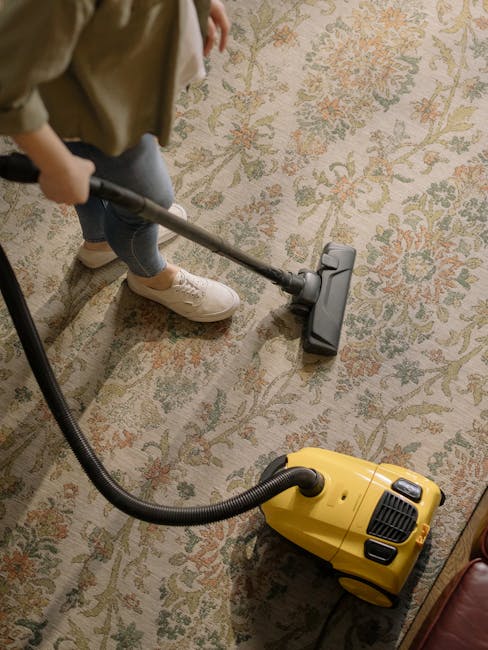
- Vacuum thoroughly. This is not just a quick once-over. Edges, corners, stairs, and under furniture matter.
- Test cleaning products. A small hidden patch is used to check colourfastness and reaction time.
- Pre-treat problem areas. Traffic lanes, stair treads, and food or drink marks may need targeted treatment.
- Clean with the most suitable method. That might be hot water extraction, low-moisture cleaning, or a careful dry compound approach.
- Rinse or neutralise if needed. Residue left behind can attract soil again faster than you'd expect.
- Dry the carpet properly. Airflow, heating, and room ventilation all help.
On older properties, the method usually has to match the carpet and the structure below it. For example, a thick wool carpet on a wooden floor may need a more controlled moisture level than a synthetic hall carpet over a concrete subfloor. Different rooms, different rules.
If you are comparing professional options, you may also want to look at a local carpet cleaner who understands domestic properties rather than someone who treats every job like a blank template. In a Victorian house, that experience can genuinely show.
Key Benefits and Practical Advantages
A proper carpet clean does more than make a room look tidy. In a Victorian home, the gains are often more noticeable because older properties tend to trap dust, wear, and odours in ways newer homes do not.
- Better appearance. Hallways, stairs, and front rooms often regain colour and definition.
- Improved freshness. Old properties can hold stale smells from pets, cooking, and foot traffic.
- Longer carpet life. Removing grit reduces fibre wear, especially in high-traffic zones.
- Healthier-feeling rooms. While carpet cleaning is not a medical fix, it can reduce the visible build-up of dust and debris.
- More accurate property presentation. Helpful if you are selling, letting, or welcoming guests after a period of neglect.
- Less risk of hidden damage. Early spotting of fraying, loose seams, or damp patches can prevent a bigger problem later.
There is also a quieter benefit: the house simply feels better. You notice it when you walk in on a rainy evening and the place doesn't carry that damp-wool, old-dust undertone. Small thing, but it matters.
For homes that need a broader refresh, many owners combine carpet care with deep cleaning so the rest of the property matches the refreshed floor covering. That tends to make the whole home feel more cohesive, especially in period properties where dust settles everywhere like it pays rent.
Who This Is For and When It Makes Sense
This guide is most useful for:
- Victorian homeowners in Enfield Town who want to protect older carpets or floor structures
- Renters or landlords preparing a period property for inspection, move-in, or move-out
- Families dealing with high-traffic hallways, stairs, and landing carpets
- People with pets, children, or heavy everyday use who need a realistic cleaning plan
- Anyone renovating an older property and trying to remove fine dust without damaging fibres
It makes sense to clean when the carpet looks flat, dull, or patchy; when there are food, drink, or pet marks; when you can smell mustiness after rain; or when the pile has become gritty underfoot. You don't need to wait until the carpet looks disastrous. In older homes, regular maintenance is far easier than rescue work.
If you only need a one-time refresh rather than a recurring schedule, a one-off cleaning visit can be a sensible option. That is especially true before guests arrive, after a renovation, or following months of heavy foot traffic.
And if the issue is not only carpet but the whole home feeling overdue for attention, a broader domestic cleaning visit may be the better fit. Not always. But often enough.
Step-by-Step Guidance
Here is the practical version. Not glossy, not complicated, just the sequence that tends to work best in Victorian homes.
1. Start with a proper walk-through
Check where the carpet is worn, where it bunches, and where it has pulled away from the edge. Look at stair nosings, corners, and under furniture. If a room smells damp before cleaning starts, stop and figure out why first. Cleaning over a moisture issue is asking for trouble.
2. Vacuum slowly and thoroughly
Go over the same area from different angles. Victorian homes often have odd room shapes, skirting details, and tight stair turns that trap dust. A quick pass misses a lot. Slow is boring, yes, but effective.
3. Test for colourfastness
Apply a tiny amount of cleaner in an unseen area. Wait. Check for bleed, texture change, or browning. This matters more on older carpets, patterned wool blends, and faded hallway runners.
4. Pre-treat stains carefully
Do not scrub hard. That only pushes the stain deeper or roughens the pile. Blot first, then use the mildest effective treatment. For grease, drinks, pet marks, or tracked-in mud, the wrong approach can spread the problem wider.
5. Choose the right cleaning method
For many synthetic carpets, hot water extraction can work well if moisture is managed sensibly. For delicate fibres, older wool, or carpets laid over sensitive floorboards, low-moisture methods may be safer. Some jobs are best handled as carpets cleaner work with a more controlled process rather than a heavy soak.
6. Clean edges, thresholds, and stairs with care
These areas show dirt fastest and wear easiest. On Victorian stairs, the pile near the edge can be thinner than it looks. Use lighter passes, less water, and more patience.
7. Dry properly
Open windows if weather allows, switch on heating moderately, and encourage airflow. A fan helps, especially in narrow rooms where air tends to sit still. This drying stage is where a lot of good cleaning jobs get let down. Not glamorous, but crucial.
8. Recheck after drying
Once the carpet is dry, look for residue, missed marks, or reappearing stains. Some stains wick back up as the fibres dry. Better to catch that early than later.
Expert Tips for Better Results
A few small habits make a very big difference in period properties.
- Use less water than you think. Victorian homes often reward control over force.
- Ventilate from the start. Don't wait until the carpet feels damp. Start airflow early.
- Protect skirting and woodwork. Older paint and timber can be more vulnerable to splash-back.
- Work from the cleanest area to the dirtiest. It keeps the finish more even.
- Deal with traffic lanes separately. Hallways and stair runners usually need extra attention.
- Lift furniture carefully. Some older legs mark carpets, and some carpets remember furniture shapes for far too long.
One practical tip that people often skip: clean on a day when you have a few hours of drying time ahead, not five minutes before bedtime. The smell of damp fibres in a closed room overnight is not ideal. You will notice it immediately in the morning.
If upholstery, rugs, or sofas are also showing wear, it can make sense to coordinate the work with rug cleaning or upholstery cleaning so the rooms feel consistent rather than half-refreshed and half-tired.
Common Mistakes to Avoid
Victorian homes are forgiving in some ways and surprisingly fussy in others. These are the mistakes that cause the most avoidable headaches:
- Using too much water. This can lengthen drying time and raise the risk of odour or browning.
- Scrubbing stains aggressively. It often makes the mark spread or fray the fibres.
- Skipping a test patch. A tiny area check is always worth it.
- Ignoring the subfloor. If the carpet sits over old boards, moisture control matters even more.
- Cleaning only the visible centre. Edges and stairs are usually the dirtiest parts.
- Reinstalling furniture too soon. Heavy legs can leave permanent dents or transfer moisture back into the pile.
Another common one: assuming a carpet is synthetic because it looks modern. Many older houses have mixed materials or replacement carpets on old underlay. If you're not sure, slow down and identify the fibre first. That tiny pause can save a lot of trouble.
Tools, Resources and Recommendations
You do not need a van full of kit to do a careful job, but the right basics help. At minimum, you want:
- a reliable vacuum cleaner with strong suction
- clean white cloths or microfibre cloths for blotting
- a soft-bristle brush for light agitation
- a suitable carpet cleaning solution matched to the fibre type
- a fan or good natural ventilation for drying
- protective pads or tabs for furniture legs
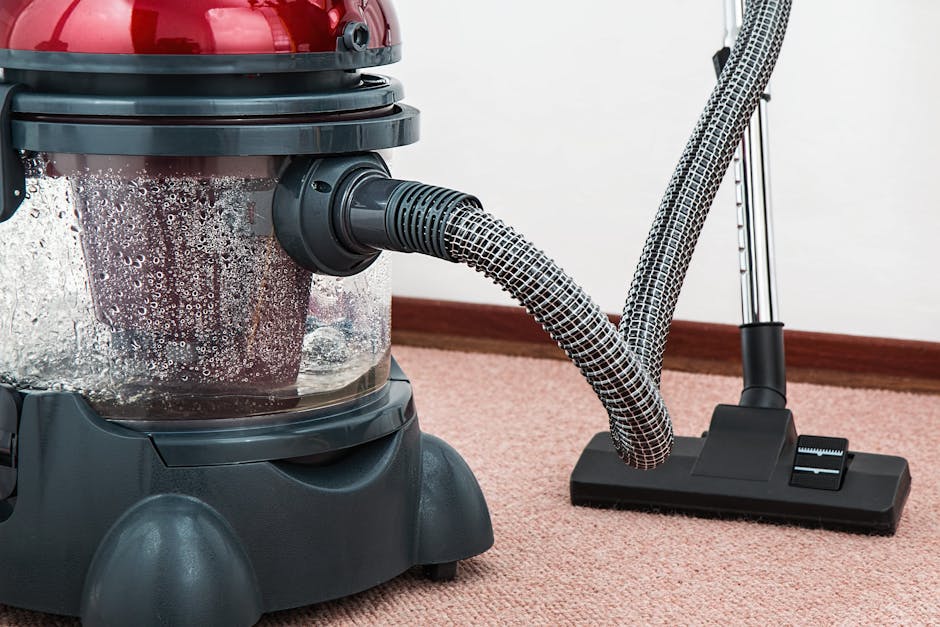
For more substantial work, a professional-grade machine can be useful, but only if it is used properly. In a Victorian home, more power is not always better. Control matters more than brute force.
If you want to compare professional help against doing it yourself, a local cleaning company can be worth speaking to, especially when you need a method matched to the age of the property rather than a generic one-size-fits-all approach. You might also review pricing and quotes to understand how the scope of work affects the final cost.
For wider home upkeep, some people bundle carpet work with house cleaning or book home cleaners before hosting, moving, or listing a property. That can be practical if the house needs more than just the floor sorted out.
Law, Compliance, Standards, or Best Practice
Carpet cleaning in a domestic setting is not usually a heavily regulated activity in the way some trades are, but there are still sensible standards to follow. Good practice matters. A lot.
First, any cleaning work should be carried out with appropriate care for occupants, pets, and the property itself. That includes safe product handling, clear ventilation, sensible drying times, and awareness of slip risk on freshly cleaned floors. In older homes, a wet hallway or staircase is not just inconvenient; it can be a real fall hazard.
Second, if you hire help, it is reasonable to expect the business to have proper insurance and sensible safety processes. A reputable provider should be able to explain how they approach wet cleaning, furniture movement, and stain treatment. If a company cannot answer those questions clearly, that's a bit of a red flag.
Third, best practice in period homes often means a more cautious method selection. For example, low-moisture techniques, careful pre-testing, and measured drying are usually better than heavy saturation. This is especially relevant in houses with older timber floors, which may not tolerate excess water well.
You can also look for broader service standards around health and safety policy and insurance and safety, because those pages show how a provider thinks about risk, care, and customer protection. It's not flashy, but it is reassuring.
Options, Methods, or Comparison Table
Different carpet cleaning methods suit different Victorian-home situations. Here is a straightforward comparison.
| Method | Best for | Pros | Watch-outs |
|---|---|---|---|
| Hot water extraction | Synthetic carpets, moderate to heavy soil | Strong soil removal, good for deep refreshes | Needs careful moisture control and longer drying |
| Low-moisture cleaning | Delicate carpets, older homes, quicker turnaround | Faster drying, lower risk to subfloors | May need more frequent maintenance |
| Dry compound or dry-leaning methods | Very moisture-sensitive areas | Minimal water use, reduced damp risk | Can be less effective on deeply embedded dirt |
| Spot and maintenance cleaning | Small stains, routine upkeep | Fast, targeted, inexpensive | Not a full clean; won't restore heavily soiled carpets |
For many Victorian homes, the best answer is not one method forever. It depends on the room, the fibre, the season, and the current condition of the carpet. A hallway in winter asks for a different approach than a front room in late spring with windows open and mild air drifting through.
Case Study or Real-World Example
Imagine a family living in a Victorian terrace near Enfield Town centre. The hallway runner is looking grey along the middle, the stairs have darkened treads, and the front room carpet has a patchy look where foot traffic has worn the pile flat. There is also a faint musty note after wet weather, nothing dramatic, just enough to notice when you walk in.
The first step is inspection. It turns out the hallway carpet is synthetic, but the stairs were fitted later and are slightly more delicate. The front room has a wool blend. So the plan changes room by room, which is exactly how it should be.
The hallway gets a deeper clean, the stairs are treated more lightly, and the front room is cleaned with lower moisture and extra drying support. Furniture is lifted with care, not dragged. A fan is used during the afternoon. By evening, the carpet is dry enough to walk on carefully, and by the next day the house feels noticeably fresher. No miracle, just good method.
The important part is that the cleaning matches the property rather than forcing the property to match the cleaning. Victorian homes tend to appreciate that, if houses can be said to appreciate anything.
Practical Checklist
Use this checklist before you start:
- Identify the carpet fibre if possible
- Check for loose edges, worn seams, or damage
- Vacuum slowly, including skirting edges and stairs
- Test any cleaner on a hidden spot
- Choose a low-risk method for older or delicate areas
- Protect woodwork, painted surfaces, and furniture legs
- Keep water use controlled and deliberate
- Increase airflow as soon as cleaning finishes
- Allow full drying before moving furniture back
- Inspect for wicking or missed stains after drying
If the carpet has been affected by smoke, heavy dust, renovation debris, or awkward residue from previous work, you may also benefit from a more intensive visit such as deep cleaning rather than a quick refresh. Sometimes the straightforward answer is the right one.
Conclusion
Cleaning carpets in Enfield Town Victorian homes is less about force and more about judgement. These properties have personality, but they also have quirks: old floor structures, tighter drying conditions, delicate edges, and mixed materials that don't always announce themselves. The safest approach is usually the calm one. Inspect carefully, test first, use the least aggressive method that still gets results, and give the carpet proper drying time.
Done well, carpet cleaning can brighten the room, reduce wear, and make a period property feel cared for without stripping away its character. That, really, is the balance you want. Clean enough to feel fresh, gentle enough to respect the house.
Get a free quote today and see how much you can save.
And if you're comparing services, it helps to choose people who understand older homes, not just carpets in the abstract. A thoughtful clean now can spare you a bigger issue later. Sometimes the best result is simply a quieter, healthier-feeling house.
Frequently Asked Questions
How often should carpets in a Victorian home be cleaned?
It depends on foot traffic, pets, children, and ventilation, but most Victorian homes benefit from regular maintenance and a deeper clean when the carpet starts to look dull, smell stale, or feel gritty.
Is steam cleaning safe for older carpets?
It can be, but only if the fibre and subfloor can handle the moisture. In older homes, the safer choice is often a controlled, low-moisture approach rather than heavy saturation.
Why do carpets in Victorian houses dry more slowly?
Older homes may have draughty floors, uneven subfloors, less predictable airflow, and colder rooms. All of that can slow drying, especially in hallways and front rooms.
Can I clean a wool carpet myself?
Yes, but gently. Always test first, avoid soaking, and use a product suited to wool. If the carpet is valuable or fragile, a professional clean is usually the safer path.
What is the biggest mistake people make?
Using too much water. It feels productive in the moment, but in a Victorian home it can lead to long drying times, odour, and even browning or rippling.
Do I need to move furniture before cleaning?
Ideally, yes, at least the smaller items. Larger furniture may need careful handling. If pieces are left in place, the cleaner should work around them and use protection where needed.
Will carpet cleaning remove old stains completely?
Not always. Some marks have already bonded with the fibres or discoloured them. Good cleaning can improve the appearance a great deal, but no honest provider should promise perfection on every stain.
What should I ask a carpet cleaning company before booking?
Ask about their method, drying time, fibre testing, stain handling, insurance, and how they work in older homes. Clear answers usually tell you a lot.
Can carpet cleaning help with musty smells?
Often, yes, especially if the smell comes from surface soil, trapped dust, or old spills. But if the smell is caused by damp, you will need to deal with the source as well, not just the carpet.
How long should I wait before walking on the carpet?
Light foot traffic is often possible once the carpet feels dry enough, but it is best to avoid heavy use and furniture replacement until drying is complete. With Victorian homes, a bit more patience is usually wise.
Is there a difference between cleaning a stair carpet and a room carpet?
Yes. Stairs wear faster, collect more grime at the edges, and usually need lighter, more controlled treatment. They also dry differently because of airflow and shape.
Where should I look if I want a broader home clean as well?
If the carpet is part of a bigger refresh, consider services such as house cleaning, home cleaners, or one-off cleaning. It depends on how much of the house needs attention, not just the floor.